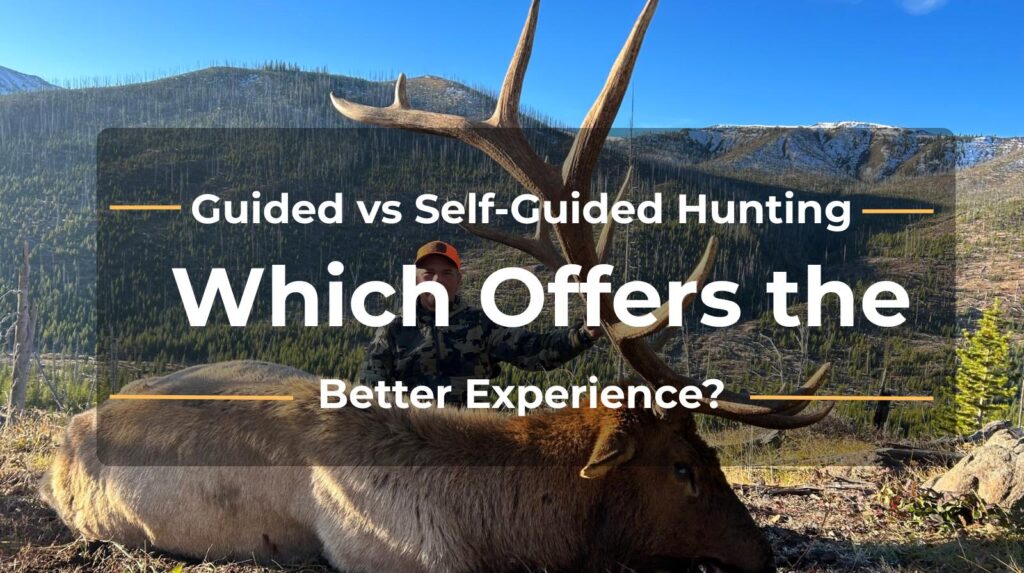
Guided vs Self-Guided Hunting: Which Offers the Better Experience?
Guided hunting trips generally offer a better experience for hunters seeking convenience, higher odds of success, and expert support, while self-guided hunts (DIY backcountry hunts) tend to provide deeper personal satisfaction, independence, and a sense of self-reliance. The “better” experience depends largely on your goals, skill level, budget, and how you define success.Below, we compare guided hunting and DIY/self-guided hunting (aka backcountry hunts) across all major factors. Use this guide to decide what works best for you, or when a mix of both might be ideal. What Are Guided Hunting Trips and Self-Guided (DIY) Hunts? Before comparing, it helps to define what we mean by the two approaches. Guided Hunting Trips — These are hunts facilitated by an outfitter or professional guide. The guide handles much of the logistics: scouting, choosing hunting grounds, knowing local wildlife behavior, sometimes even meals, lodging or camp setup, and can significantly raise your odds of success. Self-Guided / DIY Backcountry Hunts — The hunter does nearly everything independently: scouting game, planning terrain/routes, carrying gear, navigating remote or public lands, setting up camp, making all decisions. This demands more time, skill, and preparation, but offers full control and self-reliance. With that foundation, let’s get into how they compare and which path fits different types of hunters. Advantages of Guided Hunting Trips If you want a streamlined, efficient, and support-rich hunting experience, guided hunting tends to deliver. Expert Knowledge & Higher Success Odds A professional guide brings deep knowledge of terrain, wildlife patterns, elk hunting tips, and effective setups. That means you’re more likely to spot game, choose good hunting areas and succeed, especially in unfamiliar or remote regions. Guides often’ve scouted, hung stands or blinds, set bait (where legal), and understand wind, game movement, and seasonal patterns, all of which improve your chances compared to going solo. Less Logistical Headache — Ideal for Busy / New Hunters For newcomers or hunters with limited time, guided trips take care of logistics: transport, camp setup, food/meals, maybe lodging, so you don’t have to haul gear, plan camps, or handle everything yourself.This means you can focus on the hunt, enjoy the outdoors, and not worry about map-reading, walking miles with heavy packs, or field dressing your game (if the guide offers that). Safety, Comfort & Convenience Hunting trips that are guided often come with safety benefits; guides know the terrain, can avoid legal/personal-property issues, and can help manage risks (weather, navigation, injuries).And for hunters who value a comfortable, less physically grueling trip, guided hunts are often easier on the body (less packing, trained guidance) than strenuous backcountry DIY hunts. Advantages of Self-Guided / DIY Backcountry Hunting On the other hand, if you prize independence, challenge, learning, and long-term growth as a hunter, DIY hunts deliver an unmatched sense of fulfillment. Independence, Freedom, and Personal Growth DIY hunts demand you make all decisions, where to hunt, when to move, how to stalk, and how to camp, and doing it on your own can build deep knowledge, confidence, and self-sufficiency.Success on your own, without a guide’s help, often feels more rewarding and carries a sense of personal achievement that many hunters value highly. Cost-Effectiveness (Long-Term) Because you’re not paying for guide services, DIY hunts often cost less, especially if you plan to hunt multiple times over the years. You invest in gear once and reuse it, instead of paying per hunt.For hunters on a budget or those unwilling to pay high guide fees, DIY offers a way to hunt more frequently with controlled costs. Deeper Experience, Adventure & Connection to Wilderness When you navigate, scout, and hunt by yourself, especially in public lands or remote terrain, you get a raw, unfiltered connection with nature. The unpredictability, challenge, and solitude add to the overall experience in a way that guided hunts may not. Many hunters say that a DIY backcountry hunt fosters a deeper appreciation for the wilderness. Trade-offs & Challenges — What You Need to Weigh Both guided and DIY hunts come with drawbacks. A smart decision depends on balancing these trade-offs vs what you value in a hunting trip. Guided Hunts — What You Might Sacrifice Cost: Guided hunts tend to be expensive because you pay for expertise, logistics, lodging or camp support, and convenience. Less Control / Independence: You often rely on the guide’s decisions, which dictate the setup and when to hunt. If you value autonomy and control, this can feel limiting. Limited Time: Many guided hunts are short (a few days), which means less flexibility in adapting plans if weather or wildlife behavior changes. DIY Hunts — Harder Work, Steeper Learning Curve Time & Effort: DIY hunts require much more preparation: scouting, researching terrain, planning routes, carrying gear, packing out game. It demands time and physical stamina. Lower Initial Success Rate (for Beginners): Without local knowledge or experience, your first few attempts may result in unsuccessful hunts, which can be discouraging. Risk & Uncertainty: Navigating unfamiliar terrain, unpredictable wildlife behavior, and weather all add risks. For less-experienced hunters, safety and legal complications (private land, trespassing) could be a concern. When Guided Trips Are Best | And When DIY Is Worth It Let’s take a look: Go Guided When You’re a first-time hunter, or you’re new to a specific region or species. A guide’s local knowledge, gear, and experience will significantly reduce the risk and learning curve. You have limited time, maybe only a week or two off; you don’t have the time to scout, plan, or carry heavy loads. You want a comfortable, streamlined experience (camp, transport, meals), ideal for people who want the adventure without excessive physical or logistical burden. You aim for higher chances of success (game, trophy, meat), especially valuable if you care about results over the process. Consider DIY / Self-Guided When You enjoy challenge, independence, and learning, wanting to build your own hunting skills, scout terrain, and make all decisions. You have time on your side: time to research, scout, hike, and plan gradually, a great fit for dedicated or
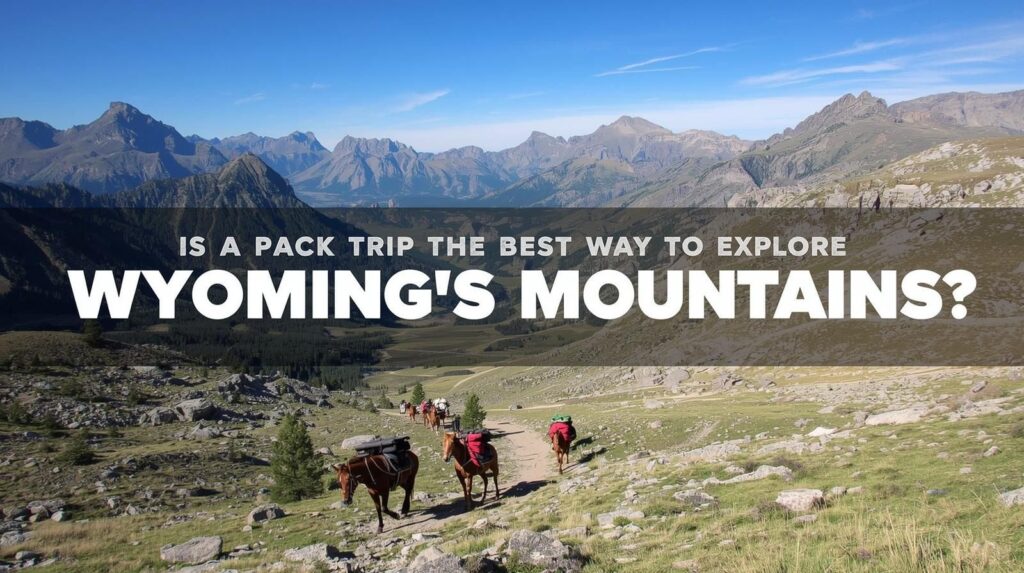
Is a Pack Trip the Best Way to Explore Wyoming’s Mountains?
Yes, a pack trip is one of the best ways to explore Wyoming’s mountains, especially if you’re a hunter or outdoorsman seeking remote country, wildlife-rich terrain, and an authentic Western experience. In fact, few adventures give you the combination of access, comfort, and scenery that a professionally guided pack trip provides. Wyoming’s backcountry is rugged, wild, and breathtaking, and a pack trip allows you to reach country that trucks, ATVs, and day hikes simply can’t.For hunters, adventure travelers, and anyone craving a true mountain expedition, pack trips offer deep solitude, prime wildlife habitat, and the classic horseback-and-mule style that defines Western exploration. Below, we go through why pack trips are so effective, what to expect, and how to choose the right outfitter for your next Wyoming adventure. Why Pack Trips Offer the Best Way to Experience Wyoming’s Mountains Before getting into the pointers, here’s why pack trips rise above other backcountry experiences: they provide safe access, ample gear capacity, and the freedom to camp deep in remote basins where elk, deer, moose, and high-country trout thrive. What Makes Pack Trips So Effective for Hunters & Adventurers Pack trips shine because they let you go farther, stay longer, and see more wildlife. Here are the specific advantages: True backcountry access — Horses and mules can travel where vehicles cannot, reaching untouched drainages and ridgelines. Comfort without compromise — Pack animals haul food, gear, tents, and camp supplies, giving you a high-quality wilderness experience without carrying a heavy pack. Wildlife-rich terrain — High basins and timber pockets deep in the mountains hold elk, mule deer, moose, and bear. Hunters benefit from solitude and reduced pressure. Authentic Western experience — Pack trips preserve the heritage of Wyoming’s early mountain men and outfitters. Multi-day immersion — You’re not rushing. You’re living in the mountains, waking to cool mornings, horse bells, and fresh alpine scents. Perfect for both hunters and scenic travelers — Whether your goal is a trophy bull or a peaceful escape, pack trips cater to both rugged adventure and scenic recreation. What You Can Expect on a Wyoming Pack Trip This section sets the stage: a pack trip is both structured and flexible, giving you comfort, safety, and adventure from the moment you leave the trailhead. The Rhythm of a Multi-Day Backcountry Expedition Here’s what a typical pack trip looks like: Horseback travel into the mountains — Your guide leads you into high-country terrain with horses and pack mules carrying camp. A well-established camp — Expect quality tents, warm sleeping arrangements, and a well-organized cook area. Home-cooked meals — A classic outfitter perk: hearty, delicious meals prepared daily. Daily rides or hunts — Depending on your goal, you’ll explore surrounding basins, glass ridges, hunt, or sightsee. Evenings around the fire — Storytelling, planning tomorrow’s route, and enjoying Wyoming’s incredible night skies. Professional horse handling and safety — Guides trained in horsemanship, backcountry navigation, and wildlife behavior. Why Hunters Prefer Pack Trips Over Day Hunts or Drive-In Access Hunters reading this section will clearly see why pack trips are more effective than hiking or vehicle-access hunts. Pack Trips Give Hunters the Advantage They Need Because a pack trip sets you up deep in prime habitat, you start each day closer to game. Key benefits include: Early-morning proximity to animals — Elk and deer are active at dawn; being camped nearby increases your opportunities. Reduced hunting pressure — Remote basins see fewer hunters, increasing your odds of encountering mature animals. Better glassing positions — High-country camps make it easier to reach vantage points before first light. Less energy spent hiking — Save your strength for the hunt, not packing gear miles uphill. Safer pack-out — With pack animals, getting your harvest out of rugged terrain is significantly easier and faster. Ideal for archery and rifle seasons — Whether stalking early-season bulls or high-country mule deer bucks, pack trips support both styles. Backcountry Pack Trips: The Ultimate Way to Reach Remote Mountain Country Before we list the reasons Wyoming is the top destination, one thing stands true: backcountry pack trips in Wyoming are legendary for their rugged peaks, wildlife density, and massive landscapes. Why Wyoming Stands Out Above Other Western States Massive wilderness areas — The state includes multiple wilderness zones where motorized access is prohibited, making pack trips the primary way in. High elk populations — Wyoming consistently ranks among the best elk-hunting states in the West. Huge mule deer country — Alpine basins, sagebrush benches, and high ridges hold some exceptional bucks. Unmatched scenery — The wind-scoured peaks, alpine lakes, and conifer forests are postcard-worthy. Classic outfitting tradition — Wyoming is home to some of the best and oldest licensed outfitters in the country. Ideal for combo trips — Many hunters pair hunting with fishing opportunities, including backcountry trout and the option for a fly fishing trip later in the season. Pack Trips vs. Day Hiking vs. ATV or Vehicle Access Before we go into the comparison, note that pack trips combine mobility, comfort, and access in a way no other method matches. How Pack Trips Outperform Other Backcountry Travel Methods Compared to day hiking: You cover more ground with less fatigue. You can camp deep in the mountains without carrying weight. You reach areas that hikers rarely visit. Compared to ATV or vehicle access: You can enter wilderness areas where motors are prohibited. Wildlife is less pressured and more natural in behavior. The experience is quieter, safer, and more immersive. Compared to backpacking: No need to haul 40–60 lb packs. Better food, warmer gear, and a comfortable camp. Easier pack-out if you harvest an animal. Pack trips deliver the perfect balance of physical challenge, comfort, and wild-country immersion. Choosing the Right Outfitter for a Wyoming Pack Trip Before selecting an outfitter, remember that safety, experience, and local knowledge are essential, especially in grizzly country and remote terrain. Why Jackson Hole Outfitters Is a Top Choice Jackson Hole Outfitters highlights key strengths that align perfectly with what hunters and adventure travelers need:
Is Horseback Riding the Most Authentic Western Adventure in Wyoming?
Yes! Horseback riding is the most authentic Western adventure in Wyoming, and the reason is simple: nothing else puts you in the landscape the way a saddle does. In the first few minutes of any ride, you feel the quiet, the altitude, the wind, and the raw country that shaped both hunters and ranchers for generations. Whether you’re exploring deep elk and mule deer country or taking in the mountains above Jackson Hole, riding brings you into the West in a way no road, truck, or scenic overlook ever could. What Makes Horseback Riding the West’s Most Authentic Tradition? Let’s take a look at some of the top reasons that make Jackson Wyoming horseback riding the West’s most authentic tradition: Horses shaped Wyoming’s hunting and ranching heritage Wyoming didn’t become the West by accident. The region was built by people who depended on horses for everything, travel, ranch work, packing, scouting, and hunting. Long before modern gear and trucks, riders covered massive stretches of wilderness to find game, move stock, and carve out a life in one of the toughest landscapes in the country.That history is still felt today. When you swing into a saddle, you’re stepping into the same rhythm and pace that defined the earliest hunters in these mountains. It’s not just transportation; it’s tradition. The connection between wildlife, migration corridors, and horseback access Wyoming’s game animals, especially elk and mule deer, follow ancient migration paths. Many of these routes cut through country you simply can’t reach on foot in a day, or at all with vehicles. Horses allow you to move quietly along ridges, meadows, and drainages where wildlife naturally travels.For hunters, photographers, or anyone who loves wild spaces, traveling the same ground as migrating herds creates a deeper, more respectful connection with the land. Why Hunters Still Rely on Horses in Wyoming’s Backcountry Here is why: Reaching elk and mule deer country, Wyoming trucks can’t touch Much of Wyoming’s best hunting terrain sits beyond the reach of road systems. The mountains around Jackson Hole, the Bridger-Teton National Forest, and the wilderness units require long approaches, steep climbs, and rugged footing. Horses make it possible to cover these miles efficiently while preserving your energy for the hunt itself. For anyone pursuing Wyoming mule deer hunts or packing into high-country elk territory, horseback access isn’t just a luxury; it’s often the only realistic way in. Quiet travel that keeps pressure low and game patterns natural Animals react differently to horseback riders than they do to ATVs or trucks. Horses move in a natural rhythm, blending into the landscape. Elk and mule deer stay calm, and their patterns remain more predictable.That makes scouting easier, glassing more productive, and encounters more likely. Pack strings built for rugged terrain A well-trained mule or horse string is a toolset all on its own. They carry camps, meat, gear, and supplies safely across the country that would punish or stop any wheeled vehicle. For hunters, this expands what you can bring in and take out, without sacrificing mobility. What Makes Horseback Riding in Jackson Hole Truly Unforgettable Horseback trail rides in Jackson Hole give you a calm, close-up way to enjoy the mountains, open meadows, and real Western country at your own pace. What riders can expect from the terrain Jackson Hole is one of the most visually stunning regions in the country. The Tetons rise like a wall, and the valleys and canyons below them offer a perfect blend of open meadows, timber pockets, and mountain trails. It’s no surprise that horseback trail rides in Jackson Hole are some of the most photographed in the West. Why Jackson Hole still feels like true frontier country Even with its popularity, Jackson Hole remains wild at heart. Step away from the town center, and you’re surrounded by miles of public land, active wildlife corridors, and untouched elevations. A simple half-day ride can feel like a backcountry escape. Jackson Hole Outfitters’ unique advantage as a wilderness outfitter Your outfitter shapes your experience. At Jackson Hole Outfitters, the focus is on true Western authenticity, real horses, real country, and guides who live and work the land. That means you get more than a scenic ride; you get knowledge about terrain, wildlife habits, seasonal changes, and the history behind every canyon and ridge. Backcountry Horseback Trips & Western Pack Experiences These backcountry rides give you a deeper, quieter way to explore Jackson Hole, taking you far beyond the usual trails and into true wilderness. Pack-in camps and multi-day adventure potential If a day ride gives you a taste of the West, a multi-day pack trip immerses you in it. These trips take you deep into wilderness zones where there are no vehicles, lodges, or road noise, just the mountains, the horses, and the rising and falling rhythms of the day. Horse and mule teamwork in the high country A good pack string is like a well-oiled machine. Horses lead the way, mules carry the loads, and your guide balances the pace. Watching the line snake through the timber or across an alpine meadow is one of the most iconic sights in the West. Wildlife encounters you can only get from the saddle From slow-moving moose to high-country mule deer, horseback travel opens the door to wildlife encounters impossible from busy trailheads or fast-moving vehicles. Riders often see more, and see it more naturally, because horses don’t disrupt the environment. Frequently Asked Questions Is horseback riding safe for beginners? Yes. A reputable outfitter matches riders to appropriate horses and provides clear instructions before stepping onto the trail. What time of year offers the best horseback experiences in Wyoming? Late spring through fall offers ideal conditions. Hunters often ride even later into the year, depending on season dates and elevation. Can horseback trips support hunting gear and full backcountry camps? Absolutely. Pack strings are designed to haul food, tents, gear, and meat efficiently and safely. Do horses affect elk or mule deer movement? Not in the way motorized
How to Choose Between a Guided and DIY Fly-Fishing Trip
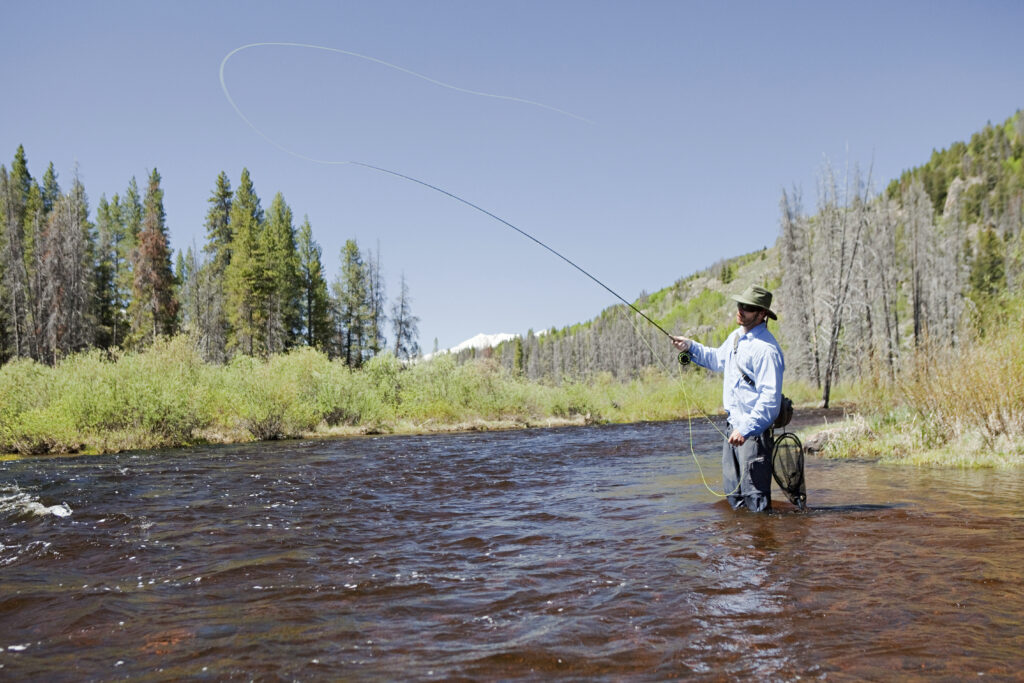
Choosing between a guided or DIY fly-fishing trip comes down to your experience level, goals, and how much you want to handle yourself. In short, guided trips make sense if you want expertise and access to exclusive waters, while DIY fly fishing suits those who love freedom and discovery. Jackson Hole Outfitters offers both, from guided horseback trail rides that end on quiet rivers to independent treks from our fly fishing camps, making it the perfect place to experience both styles. What’s the Difference Between Guided and DIY Fly-Fishing Trips? Before deciding, it’s helpful to understand what each type of trip offers. A guided trip includes professional instruction, access to prime waters, and equipment, while DIY fly fishing lets you explore at your own pace with your own gear and research. Key differences: Guided Trips: Include local guides, gear, transport, and often lunch or permits. DIY Trips: Require self-planning, personal equipment, and independent scouting. Skill Impact: Guided experiences are beginner-friendly; DIY favors seasoned anglers. Logistics: Guided tours handle everything; DIY demands more prep time. When a Guided Fly-Fishing Trip Makes Sense A guided trip is ideal for travelers wanting a seamless experience and insider knowledge. You’ll benefit from expert coaching, scenic access, and the peace of mind that comes with having everything arranged.1. Expert instruction Learn advanced casting techniques and river reading from professionals. Guides help beginners gain confidence faster than trial-and-error fishing. 2. Access to remote locations Licensed guides can take you to private waters and less crowded river stretches. These areas often produce larger trout and more rewarding catches. 3. Time-saving for travelers Everything from permits to transport is prearranged, letting you focus purely on fishing. Great for short vacations or multi-activity trips that include guided horseback trail rides in Jackson Hole. Why Some Anglers Prefer DIY Fly-Fishing A DIY trip appeals to anglers who enjoy independence and adventure. It’s about embracing the freedom to plan your route, pick your spots, and connect with nature at your own pace.1. Independence and flexibility Choose when and where to cast without structured itineraries. Adjust plans on the fly based on weather or water conditions. 2. Cost control and personalization Skip guide fees and tailor expenses to your budget. Ideal if you already have gear and local knowledge of fly fishing camps Jackson Hole. 3. Challenge and satisfaction Scouting and catching fish on your own brings a unique sense of pride. It’s perfect for anglers who love problem-solving and exploring off-grid locations. Essential Factors to Help You Decide Whether you go guided or solo depends on personal goals. Here’s how to weigh the main factors before booking your trip. 1. Experience level Beginners benefit most from guided instruction to build technique safely. Intermediate and expert anglers often enjoy DIY trips for self-reliance. 2. Budget and equipment Guided tours include high-end rods, reels, and flies, which are worth it if you’re traveling light. DIY is cheaper if you already own quality gear. 3. Destination logistics In Jackson Hole, terrain can vary from easy riverbanks to rugged backcountry streams. Guided services simplify navigation and access to lesser-known fishing zones. 4. Group size and travel goals Families and groups tend to prefer guided trips for convenience and safety. Solo travelers might choose DIY for peace and flexibility. Combining Both for the Ultimate Jackson Hole Experience You don’t have to pick just one. Many anglers mix both approaches, starting with a guided day for local insight, then exploring solo using what they learned.Hybrid tips: Book a half-day guided float, then extend your stay at the fly fishing camps in Jackson Hole. Join guided horseback trail rides to access remote river bends unreachable by car. Use your guide’s advice to plan independent follow-up sessions on calmer waters. This blend gives you the best of both worlds: expert guidance and the freedom of DIY exploration. Frequently Asked Questions What’s included in a guided fly-fishing trip? Most guided trips include equipment, local transport, permits, and personalized coaching for different fishing conditions. Can beginners start with DIY fly fishing? They can, but guided trips often help beginners learn faster and avoid common mistakes. What’s the average cost difference? Guided trips in Jackson Hole range from $300–$700 per day, while DIY fishing costs mainly involve gear, permits, and travel. Are guided trips worth it for experienced anglers? Yes, even experts value guides for their regional knowledge and access to private waters. Can I book combo activities with fishing? Absolutely. Jackson Hole Outfitters offers guided horseback trail rides and custom fishing adventures for a complete Wyoming outdoor experience. Most guided trips include equipment, local transport, permits, and personalized coaching for different fishing conditions.They can, but guided trips often help beginners learn faster and avoid common mistakes.Guided trips in Jackson Hole range from $300–$700 per day, while DIY fishing costs mainly involve gear, permits, and travel.Yes, even experts value guides for their regional knowledge and access to private waters.Absolutely. Jackson Hole Outfitters offers guided horseback trail rides and custom fishing adventures for a complete Wyoming outdoor experience. Conclusion Both guided and DIY fly-fishing trips offer something special; it just depends on what kind of experience you want. If you’re new or short on time, guided trips give you expert help and access to the best local waters. If you prefer freedom, quiet, and adventure, DIY fly fishing lets you explore at your own pace. Either way, Jackson Hole’s rivers and streams make every cast unforgettable. Plan Your Fly-Fishing Adventure with Jackson Hole Outfitters Whether you want a guided float trip or to explore on your own, Jackson Hole Outfitters helps you make the most of every fly-fishing day. From our fly fishing camps to guided horseback trail rides that lead to remote waters, we’ll help you find your perfect experience. Contact us today to plan your next fly-fishing adventure.
Is Glamping the Future of Camping in Wyoming?
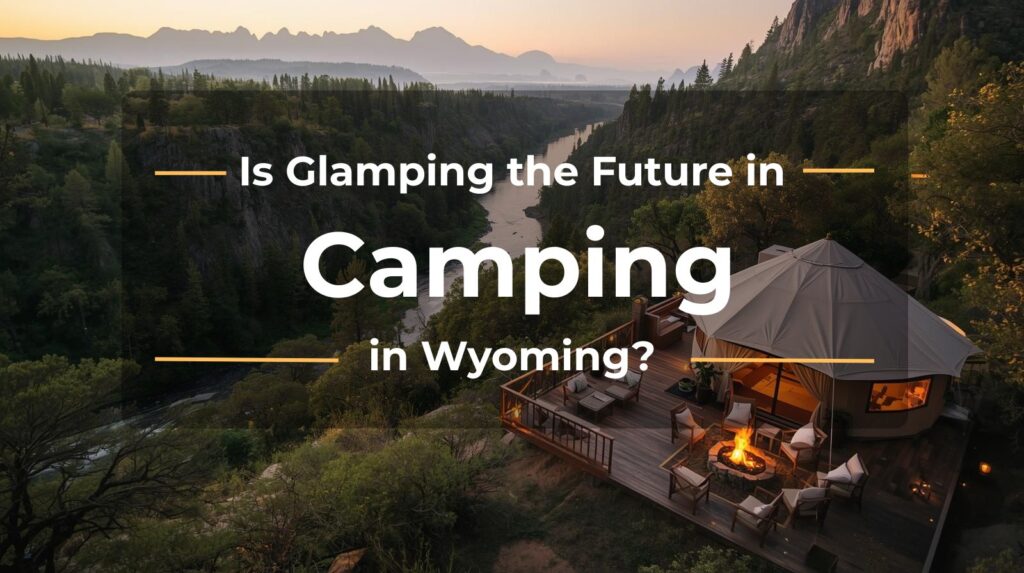
Yes, glamping is absolutely the future of camping in Wyoming. Travelers are no longer satisfied with roughing it out in basic tents and sleeping bags. They crave adventure and comfort, and that’s exactly what glamping provides. Wyoming, with its wide-open skies, rugged landscapes, and unmatched wildlife, is quickly becoming the go-to destination for luxury camping.Glamping in Wyoming lets you experience the same star-filled nights and mountain breezes that traditional campers love, but with cozy beds, warm showers, and even gourmet meals waiting for you. For travelers who want to balance wild adventure with restful luxury, glamping isn’t just a trend; it’s the next generation of outdoor travel. And at Jackson Hole Outfitters, this new way to camp meets the spirit of true Wyoming adventure. What Is Glamping and Why It’s Growing Glamping means “glamorous camping.” It’s all about combining the raw beauty of the outdoors with the comforts of a modern stay. You get close to nature but enjoy the convenience of real beds, private bathrooms, and curated outdoor experiences.People love glamping because it offers relaxation and exploration together. It’s perfect for families, couples, and solo adventurers who want something memorable and easy to plan.Why glamping is becoming popular: Combines adventure with modern comfort Ideal for travelers who want a safe, easy getaway Great for sharing on social media and photo-friendly experiences Encourages eco-friendly travel without giving up style Why Wyoming Is the Perfect Glamping Destination Wyoming offers everything glamping lovers dream of: peaceful valleys, clear rivers, endless trails, and wildlife like elk, moose, and bison roaming free. It’s a state that invites you to slow down, breathe deeply, and feel truly connected to nature.What makes Wyoming stand out is its balance between wilderness and wonder. You can explore untouched land by day and relax in a soft bed under the stars by night.What makes Wyoming ideal for glamping: What makes Wyoming ideal for glamping: Rich wildlife and outdoor adventure options Cool nights and clear skies are perfect for stargazing Friendly communities that welcome travelers Jackson Hole – The Heart of Luxury Adventure In the center of it all lies Jackson Hole, one of the most beautiful and adventurous destinations in America. It’s home to national parks, rivers, and scenic trails that attract travelers year-round.If you want to experience the wild side of Wyoming with top-level comfort, explore Jackson Hole camping trips. With guided adventures, stunning views, and relaxing glamping sites, it’s the ultimate mix of nature and luxury.Why glamping in Jackson Hole stands out: Proximity to Grand Teton and Yellowstone National Parks Guided experiences like horseback riding and fishing Quiet, private glamping spots near nature trails Local outfitters who know the land and wildlife How Glamping Blends Comfort and Adventure Glamping gives you the best of both worlds: the thrill of Wyoming’s wilderness and the joy of comfort. You can explore the outdoors all day, then return to your luxury tent or cabin for a restful night.It’s camping, just without the stress of setting up, cooking over a fire, or sleeping on the ground. From Campfire to King Beds – What to Expect When you go glamping in Wyoming, expect the charm of nature with all the conveniences of a hotel.Common glamping features: Large tents with heating, cozy beds, and private decks Fresh meals cooked over open flames or by chefs Warm showers and eco-friendly bathrooms Campfire evenings with hot drinks and stories Activities like horseback riding, fishing, and guided tours The Rise of Eco-Friendly Glamping Modern travelers also want their adventures to be sustainable. That’s why many Wyoming glamping sites focus on eco-friendly design.Eco-conscious features include: Solar-powered lighting and heating systems Locally crafted wooden furniture and decor Waste reduction and recycling practices Low-impact materials to protect wildlife habitats Glamping lets you enjoy nature responsibly, without leaving a trace behind. Glamping vs. Traditional Camping in Wyoming Traditional camping will always have its charm; it’s raw, rugged, and simple. But glamping adds a new layer of comfort and possibility, making it accessible to everyone, not just seasoned campers. Here’s how they compare: Experience Traditional Camping Glamping Shelter Small tent Luxury tent or cabin Sleeping Sleeping bag Real bed with linens Facilities Public/shared Private bathroom and shower Meals Cook yourself Prepared or catered meals Effort High (setup required) Minimal (everything ready) Audience Hardcore campers Couples, families, explorers Glamping transforms the outdoor experience, keeping the adventure alive but removing the discomfort. How Jackson Hole Outfitters Leads the Way At Jackson Hole Outfitters, adventure meets comfort in every detail. From guided wilderness trips to scenic horseback rides, the team designs experiences that let you live Wyoming’s wild beauty while enjoying modern ease. They don’t just offer camping, they create moments that last. Guests enjoy world-class hospitality, access to wildlife, and personalized itineraries that make every stay special.What makes Jackson Hole Outfitters unique: Locally owned and deeply connected to Wyoming’s land Expert guides for safe and authentic adventures Options for horseback, glamping, and Wyoming elk hunting outfittersexperiences Commitment to preserving local wildlife and landscapes Every trip is about balance, the excitement of the wild, and the warmth of comfort. Frequently Asked Questions What is the best time to go glamping in Wyoming? The best months are June through September, when days are sunny, nights are cool, and the scenery is vibrant with wildflowers and wildlife. Is glamping suitable for beginners? Yes! Glamping is perfect for first-timers. You get to experience the wild outdoors without worrying about setup, cooking, or packing heavy gear. Do glamping sites include meals and guides? Most do. Outfitters like Jackson Hole Outfitters provide guided adventures, fresh meals, and all necessary amenities for a smooth, enjoyable stay. What should I pack for glamping? Bring your essentials, comfortable clothes, toiletries, and a camera. Everything else, from bedding to meals, is taken care of for you. Is glamping eco-friendly? Yes. Many Wyoming glamping sites use sustainable materials, solar energy, and eco-products to protect the environment. The best months are June through September, when days are sunny, nights are cool, and the scenery
Why Choose Fly Fishing Trips: Top Destinations & Insider Tips
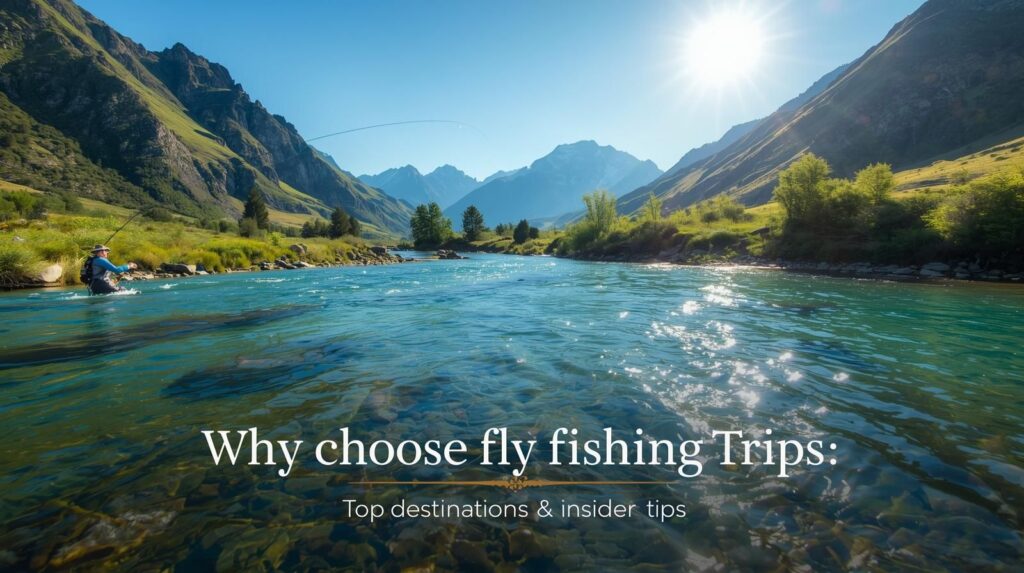
A fly fishing trip offers a rare mix of tranquility and thrill, a perfect escape for travelers who crave connection with nature and challenge. Whether you’re casting for wild trout in Wyoming or chasing salmon in Alaska, fly fishing trips are more than just vacations; they’re immersive outdoor experiences that rejuvenate the spirit and sharpen the senses.If you’ve ever wondered why seasoned anglers keep returning to the riverbanks, here’s why a fly fishing trip might just be your next great adventure. What Makes Fly Fishing Trips So Special? Fly fishing combines patience, rhythm, and strategy, a mindful escape from the modern rush. It’s not only about catching fish but about reading rivers, watching wildlife, and reconnecting with natural surroundings that few travelers get to see up close.Pointers: You’ll find solitude and focus that typical vacations can’t match. The rhythmic casting and gentle flow of rivers create an unmatched sense of peace. Every destination offers a blend of wilderness, sport, and craftsmanship. Perfect for solo travelers, couples, or families who enjoy outdoor exploration. The Top Fly Fishing Destinations in the U.S. From the Rockies to Alaska’s salmon streams, the U.S. offers world-class fly fishing spots for every skill level. Here are some top destinations where the scenery is as rewarding as the catch. 1. Jackson Hole, Wyoming | For Wild Trout & Wilderness Known for its pristine waters and backdrop of the Teton Range, Jackson Hole tops the list and delivers an authentic American fly fishing experience. Target species: Cutthroat trout and rainbow trout. Best season: June to September. Pro tip: Combine your fishing experience with Jackson Hole camping trips for an unforgettable mountain adventure. 2. Montana’s Madison River | Classic American Fly Fishing A mecca for anglers, the Madison is ideal for both beginners and experts. Expect consistent trout populations and easy river access. Scenic float trips are available from local outfitters. Don’t miss sunrise casts for the best bites. 3. Colorado’s Gunnison River | Adventure Meets Scenery Colorado’s Gunnison River runs through the breathtaking Black Canyon, offering technical fishing for serious anglers. Great for catching brown and rainbow trout. Best visited in late spring and early fall for optimal flows. 4. Idaho’s Silver Creek | Serenity and Skill A spring-fed oasis that rewards finesse over force. Crystal-clear waters make for challenging yet rewarding fishing. Ideal for fly fishers who enjoy quiet, meditative surroundings. 5. Alaska’s Bristol Bay | Trophy Salmon Territory For those chasing big catches, Alaska’s Bristol Bay is legendary. Home to the world’s largest sockeye salmon run. Remote lodges and guided floatplane access provide a true wilderness experience. Insider Tips for Planning Your Fly Fishing Trip Even seasoned travelers benefit from a bit of preparation. The key to a successful trip is planning, from choosing your outfitter to packing efficiently. 1. Choose Experienced Fly Fishing Outfitters The right fly fishing outfitters make all the difference. They know the best local waters, provide top-quality gear, and ensure safety for every level of angler. Look for outfitters with strong regional expertise and verified reviews. Ask about guided packages that include lodging and transport. 2. Time Your Trip for Peak Season Seasonal timing affects both your catch and your comfort. Late spring to early fall is prime for most U.S. rivers. Research local hatches to match your fly selection perfectly. 3. Pack Smart | Gear Checklist Essentials Fly fishing gear doesn’t have to be complex, just strategic. Essentials include: Waders and boots with traction soles. 5–6 weight rod and reel combo. Fly box with dry flies, nymphs, and streamers. Polarized sunglasses and sun protection. Waterproof bags for gear and electronics. 4. Respect Local Regulations & Catch-and-Release Practices Sustainable fishing ensures future generations can enjoy the same experiences. Always check local licensing and bag limits. Use barbless hooks to minimize harm. Follow Leave No Trace principles. 5. Pair It with Jackson Hole Camping Trips for a Full Adventure Fly fishing isn’t just about the water; it’s about the journey around it. Pairing it with Jackson Hole camping trips gives you a complete outdoor immersion with starry skies and campfire relaxation. Why Guided Trips Are Worth It Guided fly fishing trips turn first-timers into confident anglers and help experienced fishers uncover new techniques and secret spots.Advantages: Professional instruction on casting, reading water, and fly selection. Access to remote or private waters. Equipment provided, reducing travel hassle. Local insights that enhance safety and success. Why Choose Jackson Hole Outfitters for Your Trip As one of Wyoming’s most trusted names in outdoor adventures, Jackson Hole Outfitters brings years of guiding experience, expert knowledge, and a deep respect for nature. Our Approach to Guided Fly Fishing & Camping Trips Tailored trips for all skill levels, from first-timers to experienced anglers. Licensed guides who know the Snake River and nearby tributaries inside and out. Emphasis on safety, sustainability, and unforgettable wilderness experiences. The Added Value of Combining Fly Fishing with Camping Few things compare to waking up beside a mountain stream, coffee in hand, ready for another day on the water. Our Jackson Hole camping trips combine adventure with comfort, offering riverside camps, hearty meals, and guided sessions in some of the West’s most scenic fishing grounds. Frequently Asked Questions What’s the best season for a fly fishing trip in the USA? Late spring to early fall (May–September) is ideal for most rivers, though Alaska’s salmon runs peak in midsummer. How do I choose the right fly fishing outfitter? Select outfitters with local expertise, safety certifications, and positive client testimonials. Can beginners enjoy guided fly fishing trips? Absolutely, most guides offer beginner instruction with patience and easy access locations. What should I pack for my first fly fishing trip? Bring waders, boots, flies, weather-appropriate clothing, and personal essentials like sunscreen and hydration packs. Are fly fishing trips suitable for families? Yes! Many destinations offer family-friendly camps and easy waters where kids can safely learn the basics. Late spring to early fall (May–September) is ideal for most rivers, though Alaska’s salmon runs peak in midsummer.Select outfitters
How to Plan a Successful DIY Elk Hunt: 5 Essential Strategies
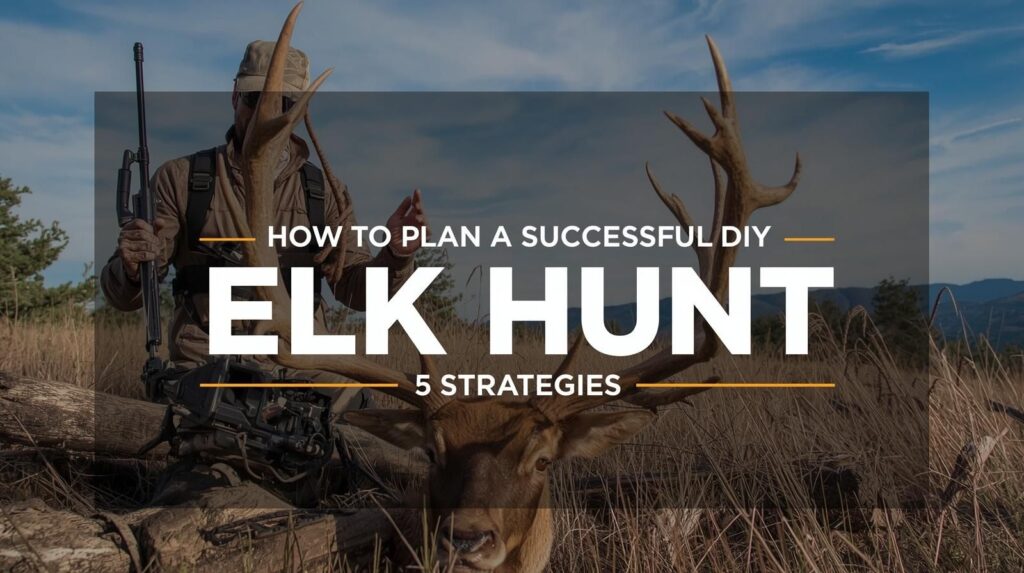
Hunting elk is one of the most exhilarating and challenging pursuits an outdoor enthusiast can undertake. If you’re planning a do-it-yourself (DIY) bull elk hunt, you’re in for an adventure where preparation truly determines success. Whether you’re navigating rugged mountains, glassing high ridgelines at dawn, or listening for bugles in the timber, the right planning and successful strategies can turn a hard-earned tag into a memory of a lifetime. In this guide, we’ll walk through five tips that will boost your chances of success, grounded in practical advice, seasoned experience, and smart preparation for the hunt ahead. If you ever decide to enhance your experience beyond DIY, exploring Wyoming elk hunting outfitters can offer valuable insights and guided expertise. Strategy 1: Pre-season Scouting and Unit Selection Choosing where you hunt and doing the groundwork ahead of time can make or break a DIY elk hunt. According to expert guides, understanding where elk get food, water, and shelter gives a major advantage, especially in rugged regions like those popular for Jackson Hole horseback riding adventures, where terrain knowledge matters most. Key steps Study topographic maps and satellite imagery: Look for feeding meadows, ridges near timber, water sources, and sanctuary terrain where elk might retreat from pressure. Talk to local wildlife biologists, outfitters, or fellow hunters familiar with the area. Gathering “on-the-ground” intel helps identify less-hunted zones. Avoid highly pressured access points. For example, being several miles from trailheads or roads often yields better results. As you narrow in, think about not just where the elk are now, but where they will move during the day or season (bedding areas, rut travel corridors). Why this matters When you’re hunting “on your own,” you don’t have the luxury of a guide showing you secret zones. Your success is deeply tied to the quality of your pre-hunt reconnaissance. If you arrive without knowing where the elk are likely to move, you’ll be chasing instead of hunting. And chasing in rugged country exhausts you fast. Quick tip Use a digital map tool to mark three zones: Zone A: Primary target (high potential) Zone B: Secondary fallback (moderate potential) Zone C: Backup (if both A & B fail) Strategy 2: Gear, Fitness & Logistics, Don’t Wing It A DIY elk hunt tends to be physically demanding and logistically complex. Preparedness pays off. For example, one elk hunting tip states you should expect to carry 50-100 pounds (or more) of gear and possibly pack out up to 300 pounds of meat in challenging terrain. Gear checklist highlights Durable, waterproof boots with good ankle support and a stiff mid-sole for steep terrain. Scent-control and layering system to handle sweat, wind, and changes in elevation. High-quality optics (binoculars, spotting scope) to glass ridgelines early and late. Backpacking/hunting gear: lightweight camp setup if you’re going into the backcountry, first-aid kit, headlamp, and game processing kit. Navigation tools: map, GPS or mobile mapping, altitude awareness, and knowledge of exit points. Fitness & logistics Train ahead: hiking with a load, elevation gain, rough terrain. Your hunt will push your physical limits. Plan meat-haul logistics: anticipate how you’ll transport game out of remote terrain, whether via pack animals, ATV (if legal), or by foot. Plan for weather: early fall elk hunts may require cold-weather gear, rain gear, and contingency for snow or storms. Why this matters When you underestimate gear or logistics, you risk ending the hunt early from fatigue, injury, or inability to handle the pack-out. A well-equipped, fit hunter with clear logistics is already halfway to success. Strategy 3: Timing, Wind & Movement | Be Smart With When and How You Hunt When you know how, when, and where elk move, your odds improve dramatically; successful hunters emphasize three key elements: timing (season phase), wind/scent control, and purposeful movement. Timing Early season or pre-rut: bulls may move more openly, with less pressure; calling may work well. Peak rut: bugles, cow calls, and herd movement intensify, good chances if you’re in the right place. Post-rut/late season: patterns shift; elk bed in thick cover, seek security; adapt accordingly. Wind & scent control Wind direction is critical. Elk will always take advantage of the wind to scent you. You need to manage your movement and set-ups accordingly. Avoid approaching from downwind and try to keep your scent away from likely bedding or feeding areas. Movement strategy Glass from vantage points rather than constantly walking into elk. “Let your eyes do the work for your legs.” Be mobile. If the area isn’t producing, move early and reposition rather than lingering with no results. Use “if-then” scenario thinking: if elk are doing X, then you respond with Y. This tactical flexibility separates casual efforts from successful hunts. Why this matters Speed, timing, and silence win in elk hunting. If you’re static in a poor spot, wind blows your scent in the wrong direction, or you arrive at the wrong phase of the rut, you severely reduce your odds. Strategy 4: Calling, Setup & Shot Readiness Whether you’re rifle hunting or archery, setting up smartly and being ready for the moment matters. Some key tactics: choosing the right calling strategy, having clear shooting lanes, and being disciplined. Calling wisely Not every hunt should rely on aggressive calling. On pressured public lands, sometimes silence wins. Choose your calling location carefully: plenty of space, shooting lanes, and cover to conceal you. For archery especially: practice your shot, be confident. Many bowhunters emphasize practicing at twice their comfortable range. Setup considerations Jackson Hole’s wild beauty offers more than views; it provides a natural arena for adventure athletes. Recognizing horseback riding as a sport enriches how you experience our region: Avoid obvious game trails that other hunters might use. Clear any branches or twigs that could betray movement when you draw. Always be ready: if a bull appears, you’ll want to be set up and comfortable immediately. Have your wind, your approach, and your exit planned. Why this matters You may have scouted well and be in the right area,
Is horseback riding a sport?
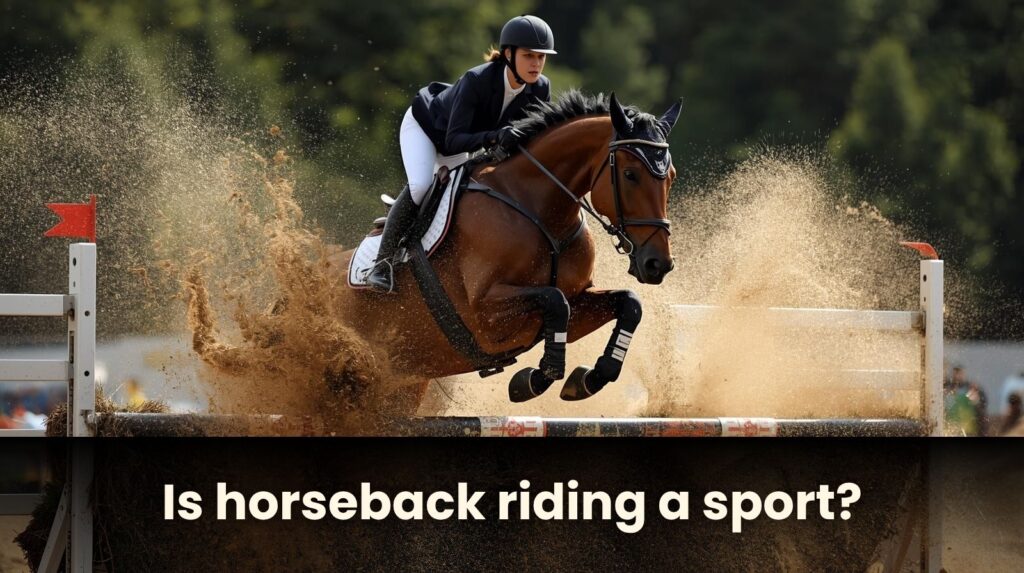
For centuries, humans have bonded with horses for travel, work, and recreation, but today, many ask: Is horseback riding really a sport? At first glance, it may seem like a relaxed trail activity, yet anyone who has saddled up in Jackson Hole knows the truth: riding demands strength, coordination, and focus.It challenges the body like any athletic pursuit and rewards the mind with rhythm, trust, and balance. Whether you’re an adventurer seeking rugged mountain trails, a family exploring scenic pastures, or a professional honing your skills, horseback riding near Jackson Hole offers both sport and soul.So let’s settle the debate once and for all, and show how riding earns its place among the world’s most captivating sports. What Defines a Sport? A sport, by definition, involves physical exertion, skill, and structured competition. It usually has measurable outcomes, rules, and recognized governing bodies. By that logic, horse riding is a sport: riders train, practice techniques, and compete under strict regulations.The International Olympic Committee and the United States Equestrian Federation (USEF) both recognize multiple equestrian disciplines as official sports. Riders are judged on accuracy, speed, and form, clear indicators of athletic performance. The Physical & Mental Demands of Horseback Riding Contrary to the myth that “the horse does all the work,” riders perform constant micro-adjustments to maintain balance and communicate effectively. Strength & Stability: Core, thighs, glutes, and back muscles remain engaged throughout every stride. Balance & Reflexes: Riders shift weight precisely to guide the horse’s motion. Endurance: Long trail rides or multi-day treks demand sustained effort, comparable to hiking or skiing. Mental Focus: Riders must read subtle cues from their horses and make split-second decisions. The Physical & Mental Demands of Horseback Riding Contrary to the myth that “the horse does all the work,” riders perform constant micro-adjustments to maintain balance and communicate effectively. Strength & Stability: Core, thighs, glutes, and back muscles remain engaged throughout every stride. Balance & Reflexes: Riders shift weight precisely to guide the horse’s motion. Endurance: Long trail rides or multi-day treks demand sustained effort, comparable to hiking or skiing. Mental Focus: Riders must read subtle cues from their horses and make split-second decisions. A study by the British Horse Society shows riding burns between 200–600 calories per hour, depending on terrain and speed, on par with competitive cycling. Equestrian Disciplines That Prove It’s a Sport Horseback riding encompasses a diverse family of equestrian sports, each with specialized athletic demands: Dressage: Often called “horse ballet,” it requires precision, timing, and communication. Show Jumping: Riders navigate timed obstacle courses demanding explosive power and control. Eventing: A triathlon of dressage, cross-country, and jumping that tests endurance and versatility. Polo & Horseball: Team sports combining speed, accuracy, and strategy. Endurance Riding: Long-distance races over natural terrain, some exceeding 100 miles. These events are globally recognized by the FEI (Fédération Équestre Internationale) and featured in the Olympics, confirming horseback riding’s athletic legitimacy. Recreation vs Sport: Where Riding Transitions While a gentle family trail ride through the Tetons offers peace and relaxation, it becomes a sport when structured around performance, timing, or competitive criteria. Recreational Riding Sport Riding Leisure pace, sightseeing Measurable goals, timed or judged Minimal gear / casual dress Professional tack & attire Focus on enjoyment Focus on precision & results Any fitness level Requires conditioning & training At Jackson Hole Outfitters, we bridge both worlds, introducing newcomers to safe, scenic rides while giving enthusiasts opportunities to experience sport-style challenges like hill climbs and endurance loops. Why This Matters for Jackson Hole Riders Jackson Hole’s wild beauty offers more than views; it provides a natural arena for adventure athletes. Recognizing horseback riding as a sport enriches how you experience our region: Adventure Ready: Trails feature elevation gains and river crossings that test skill and stamina. Family Friendly: Beginner lessons and shorter rides let families enjoy sports safely together. Professional Edge: Skilled riders can book private guides or join skill-building clinics. Community Events: Participate in local Jackson Hole adventure events showcasing endurance rides and equestrian challenges. The Sport’s Risks & Safety Readiness Like skiing or mountain biking, equestrian sports carry inherent risk, but with proper preparation, the rewards far outweigh it. Helmets, boots, and gloves protect riders from falls and friction. Guides brief participants on commands, posture, and trail etiquette. Horses are trained for the Jackson Hole environment, ensuring responsiveness and safety. Statistically, organized horseback riding has similar injury rates to soccer or skiing, but expert supervision dramatically reduces incidents. At Jackson Hole Outfitters, every ride blends excitement with meticulous safety standards. Frequently Asked Questions Is horseback riding in the Olympics? Yes. Dressage, show jumping, and eventing are official Olympic sports, making horseback riding one of the few events where men and women compete equally. Is horseback riding good exercise? Absolutely. It improves balance, posture, coordination, and cardiovascular health while building strength in core and leg muscles. Can beginners try sport-level riding in Jackson Hole? Yes. Our guides tailor experiences from gentle scenic rides to advanced endurance sessions, matching each rider’s comfort and fitness level. Is horseback riding safe for children? With supervision, appropriate horses, and safety gear, it’s a rewarding family activity that teaches confidence and discipline. What’s the best way to prepare for competitive riding? Start with regular lessons focusing on balance, core strength, and communication with your horse. Progress to structured clinics or local events. Yes. Dressage, show jumping, and eventing are official Olympic sports, making horseback riding one of the few events where men and women compete equally.Absolutely. It improves balance, posture, coordination, and cardiovascular health while building strength in core and leg muscles.Yes. Our guides tailor experiences from gentle scenic rides to advanced endurance sessions, matching each rider’s comfort and fitness level.With supervision, appropriate horses, and safety gear, it’s a rewarding family activity that teaches confidence and discipline.Start with regular lessons focusing on balance, core strength, and communication with your horse. Progress to structured clinics or local events. Conclusion: The Athlete in Every Rider So, is horseback riding a sport? Without question. It meets
Camping Trips vs. Glamping: Which Adventure Suits You Best?
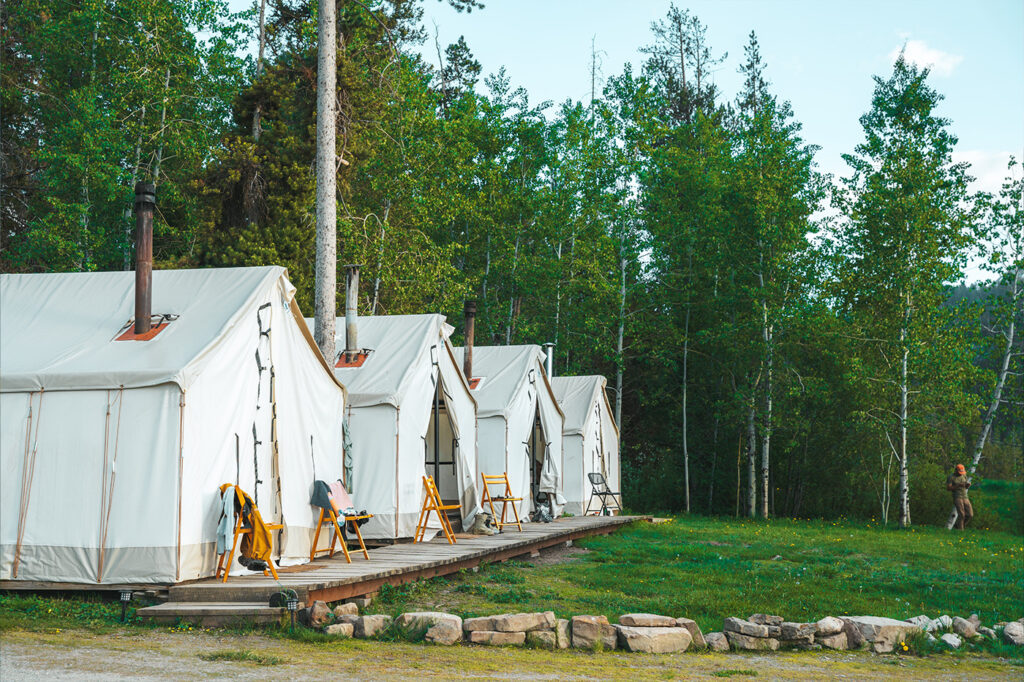
Whether you dream of sleeping under the stars or curling up in a cozy tent with heated blankets, Jackson Hole, Wyoming, offers both worlds in one breathtaking destination. Known for its rugged mountains, rich wildlife, and calm river valleys, Jackson Hole invites adventurers to explore through camping or the increasingly popular trend of glamping.But which style of outdoor escape fits you best? Some travelers crave simplicity and self-reliance; others want nature’s beauty with a touch of comfort. In this guide, we’ll compare camping trips vs. glamping in Jackson Hole, explore what makes each experience special, and help you choose your perfect match for your next outdoor getaway in the Tetons. The Heart of Outdoor Adventure in Jackson Hole Jackson Hole offers something special for every kind of traveler, whether you crave raw adventure or quiet comfort. Before you plan your stay, here’s how each experience captures the spirit of the Tetons in its own way. Why Jackson Hole Is Perfect for Every Type of Explorer Nestled between the Teton and Gros Ventre ranges, Jackson Hole, Wyoming, is one of the most iconic destinations for outdoor enthusiasts in the United States. From crystal-clear lakes to alpine meadows, the landscape offers unmatched access to hiking, fishing, and horseback riding. For seasoned adventurers, it’s a playground for Jackson Hole camping trips, pure wilderness with minimal crowds. For families or comfort seekers, glamping in Jackson Hole transforms the same scenery into a serene escape complete with real beds, gourmet dining, and panoramic views of the Tetons. From Backcountry Trails to Luxury Lodges What makes Jackson Hole truly unique is its ability to blend extremes. One morning, you could ride through rugged trails on horseback, and that evening, unwind in a heated tent beneath the same starry sky. Whether you pack a sleeping bag or book a luxury dome, adventure and serenity meet here perfectly. What Defines Traditional Camping? If you’re drawn to the untamed beauty of the outdoors and enjoy living simply, traditional camping in Jackson Hole delivers the purest way to experience it. Before you roll out your tent, here’s what makes this classic approach so unforgettable. The True Wilderness Experience Traditional Jackson Hole, Wyoming camping captures the spirit of the frontier, simple, raw, and deeply rewarding. Campers bring their gear, set up tents, and cook over a fire while surrounded by endless wilderness. It’s an ideal way to unplug and reconnect with nature, trading convenience for authenticity.You’ll find scenic campgrounds across Grand Teton National Park, Bridger-Teton National Forest, and the Snake River corridor. Many offer stunning views, trout fishing access, and dark skies perfect for stargazing. Skills, Gear, and Simplicity Camping requires preparation and resilience, from selecting the right site and gear to following Leave No Trace principles. It’s best suited for those who enjoy self-sufficiency, quiet mornings, and the crackle of a real fire. For adventure lovers or those planning a DIY backcountry hunt, traditional camping remains the most immersive way to experience Jackson Hole’s vast wilderness. What Is Glamping, and Why Is It Growing? If you love nature but still want the comforts of home, glamping in Jackson Hole is the perfect balance. Before you choose your stay, here are some popular glamping styles that bring luxury and adventure together. Comfort Meets Nature “Glamping,” short for glamorous camping, combines outdoor immersion with comfort and style. Imagine sleeping in a canvas tent with a real bed, a wood stove, and private decking that overlooks the Tetons. You still wake to the scent of pine and the sound of rushing rivers, but without sacrificing rest or warmth.Glamping has gained momentum in Jackson Hole as travelers seek experiences that balance adventure and comfort. It’s ideal for families, couples, or first-time visitors who want nature’s serenity without roughing it. Popular Glamping Styles in Jackson Hole Here are some of the popular glamping styles that many adventurers prefer in Jackson Hole: Luxury Safari Tents: Spacious tents with hardwood floors, plush bedding, and sometimes ensuite bathrooms. Cabin Tents & Yurts: Rustic yet cozy, offering heating and partial kitchens. Mountain Lodges & Eco Domes: Modern comfort built into natural surroundings with minimal impact on the environment. From peaceful riverside stays to full-service lodges, glamping in Jackson Hole offers countless ways to enjoy the wilderness, with a touch of indulgence. Camping vs. Glamping: Key Differences Feature Camping Camping Glamping Comfort Sleeping bags, tents, minimal amenities Beds, heat, private bathrooms Accessibility Often remote; limited facilities Easy access; designed for convenience Cost Low-cost, bring-your-own gear Premium pricing for luxury and service Experience Level Best for seasoned adventurers Great for families and beginners Connection to Nature Raw, immersive, hands-on Scenic, comfortable, curated Both experiences bring you closer to the landscape; it’s just a matter of how much comfort you want to bring along for the ride. How to Combine Both Experiences Can’t decide between rugged camping or cozy glamping? You don’t have to. Many visitors to Jackson Hole mix the two, enjoying wilderness adventures by day and peaceful comfort at night, a perfect balance of thrill and relaxation. Adventure by Day, Comfort by Night Many outdoor travelers in Jackson Hole are now blending both experiences, camping in the backcountry for a few nights and ending the trip with a glamping stay near the Tetons. This combination offers the best of both worlds: adventure, freedom, and restorative comfort.You can spend your days exploring trails, fishing, or horseback riding, and then unwind with a glass of wine and a warm bed while still surrounded by the wilderness. Seasonal Considerations in Wyoming Here is why you should take seasonal considerations when it comes to going on a trip to Wyoming: Summer: Ideal for camping; mild weather and long daylight hours. Autumn: Best for Jackson Hole camping trips and wildlife watching during elk rutting season. Winter/Spring: Perfect for glamping; heated lodges and cozy tents make cold-weather exploration comfortable. Final Thoughts No matter if you choose to rough it under the stars or enjoy mountain luxury, both camping and glamping in Jackson Hole offer unforgettable
Are There Horseback Fly Fishing Trips in Jackson Hole?
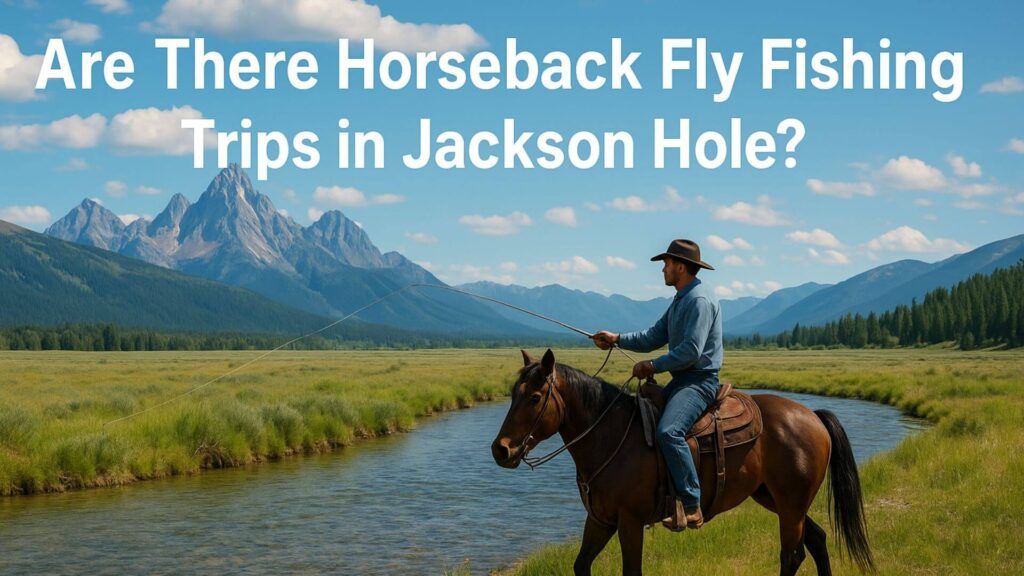
For many travelers, a trip to Jackson Hole is about more than just sightseeing; it’s about immersing yourself in the untamed beauty of the West. With its snowcapped peaks, rushing rivers, and rolling meadows, Jackson Hole, Wyoming, is a playground for those who crave authentic outdoor adventures. But while some visitors come solely for horseback riding and others for world-class fishing, there is a unique option for those who want both: horseback fly fishing vacations. So, the question remains: are there horseback fly fishing trips in Jackson Hole? The answer is a resounding yes. And in this guide, we will explore horseback riding near Jackson Hole, when to go, and why it’s the perfect adventure for both anglers and riders. What Are Horseback Fly Fishing Vacations? At their core, horseback fly fishing trips combine trail riding and wilderness fishing into one seamless adventure. Horses carry you, and sometimes your gear, into remote backcountry terrain that vehicles can’t access. This means you are not fishing in crowded roadside spots but instead casting into clear mountain waters where trout populations thrive. A typical fly fishing and horseback riding vacation might include: Guided Horseback Rides – Suitable for all experience levels, with horses selected to match your comfort and ability. Access to Remote Waters – Rivers, streams, and alpine lakes far beyond the reach of day hikers. Backcountry Camping – From rustic tent camps to glamping setups, depending on your outfitter and package. Expert Fly Fishing Guides – Local guides who know the best waters, hatches, and techniques. All-Inclusive Support – Many outfitters provide meals, fishing equipment, and even fishing licenses if needed. This type of trip appeals to both dedicated anglers who want to reach untouched waters and horseback enthusiasts who want to make their rides more meaningful by pairing them with another adventure. Why Jackson Hole Is the Ideal Destination Jackson Hole is surrounded by world-class wilderness. The Snake River runs right through the valley, but some of the best fishing spots are hidden in the surrounding Bridger-Teton National Forest and Gros Ventre Wilderness. With horseback access, you can ride into these remote areas, set up camp, and fish without seeing another angler all day.Here’s why the region is perfect for vacations: Diverse Trout Populations – Native cutthroat trout, rainbow trout, brook trout, and brown trout are abundant in local streams and lakes. Spectacular Landscapes – Towering peaks of the Tetons, lush valleys, and wide-open meadows provide stunning backdrops. Rich Western Heritage – Riding and fishing are part of Jackson Hole’s history, making the combination feel authentic to the region. Accessibility – Just minutes from town, you can leave behind the bustle and enter true wilderness. What to Expect on a Horseback Fly Fishing Trip Each outfitter offers unique itineraries, but most trips follow a familiar rhythm: Daytime Rides – You’ll start the morning saddling up and riding along scenic trails, often with pack animals carrying camping and fishing supplies. Fishing Adventures – Depending on the route, you might fish small alpine creeks, secluded mountain lakes, or stretches of remote rivers. Camp Life – In multi-day trips, evenings are spent in the backcountry, with hearty meals cooked over the fire and plenty of stargazing. Flexible Balance – Some itineraries are fishing-heavy; others emphasize riding. Families and mixed groups can usually find the right balance. Trips range from half-day horseback rides with fishing stops to multi-day pack trips, such as those offered by Jackson Hole Outfitters, that take you deep into the wilderness. When to Go Timing is everything when it comes to horseback fly fishing vacations in Jackson Hole. June to Early July – Snowmelt swells rivers, but higher streams begin to clear, making it a good time for early-season fishing. Mid-July to August – Prime time for dry fly fishing and alpine lake access. Days are warm, nights are cool, and wildflowers blanket the meadows. September – Cooler weather and fewer crowds, with trout feeding aggressively before winter. Always check local weather and fishing conditions, as summer storms can roll through the mountains quickly. Benefits of Combining Riding and Fishing A fly fishing trip is rewarding, and a horseback ride is thrilling, but combining them amplifies both experiences. Access Like No Other – Horses allow you to reach waters where few anglers ever cast a line. Immersive Wilderness – Instead of just fishing or riding, you’re living the Western experience. Family & Group Friendly – Non-anglers can enjoy the ride and scenery while others fish. Stress-Free Adventure – Outfitters handle logistics, so you can focus on the fun. It’s a vacation that blends adventure, relaxation, and discovery all in one. Planning Your Trip When preparing for a horseback fly fishing adventure in Jackson Hole, keep these factors in mind: Choose Your Outfitter Carefully – Look for licensed fly fishing outfitters with experience guiding both anglers and riders. Decide on Trip Length – Options range from half-day rides to week-long wilderness pack trips. Ask About Gear – Some outfitters provide fishing equipment, while others recommend bringing your own.b Skill Levels – Outfitters can accommodate both beginners and experts in riding and fishing. Booking Early – Summer dates, especially July and August, fill quickly. Final Thoughts So, are there horseback fly fishing trips in Jackson Hole? Without a doubt. These unique adventures combine two classic Western experiences, horseback riding and fly fishing, into one seamless journey. Whether you’re an angler seeking untouched waters or a traveler dreaming of scenic horseback rides, this type of vacation offers the best of both worlds.If you’re ready to trade crowded trails for secluded streams and ride into the heart of the Wyoming wilderness, a fly fishing and horseback riding vacation in Jackson Hole is waiting for you.