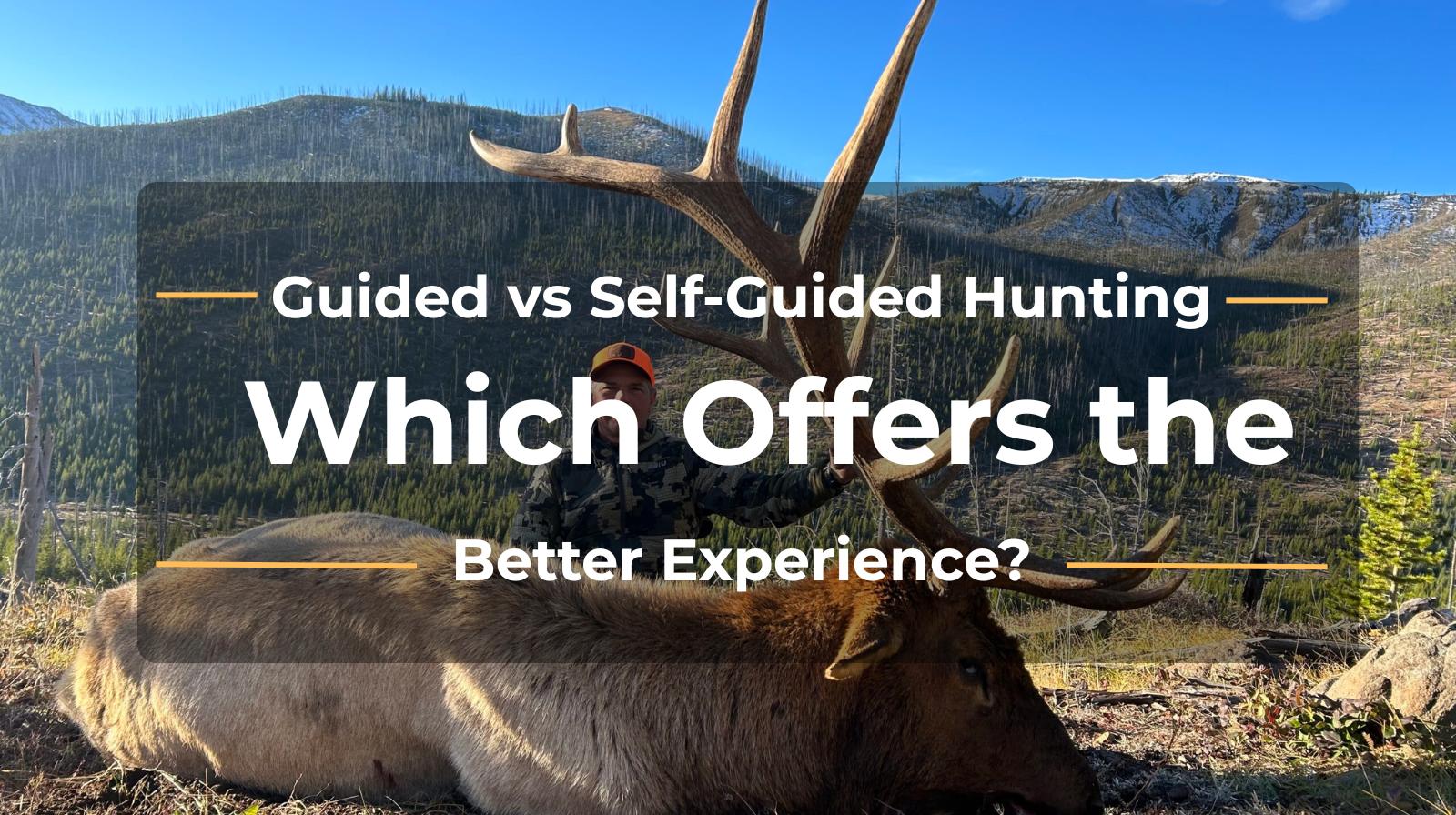
Guided hunting trips generally offer a better experience for hunters seeking convenience, higher odds of success, and expert support, while self-guided hunts (DIY backcountry hunts) tend to provide deeper personal satisfaction, independence, and a sense of self-reliance. The “better” experience depends largely on your goals, skill level, budget, and how you define success.
Below, we compare guided hunting and DIY/self-guided hunting (aka backcountry hunts) across all major factors. Use this guide to decide what works best for you, or when a mix of both might be ideal.
What Are Guided Hunting Trips and Self-Guided (DIY) Hunts?
Before comparing, it helps to define what we mean by the two approaches.
- Guided Hunting Trips — These are hunts facilitated by an outfitter or professional guide. The guide handles much of the logistics: scouting, choosing hunting grounds, knowing local wildlife behavior, sometimes even meals, lodging or camp setup, and can significantly raise your odds of success.
- Self-Guided / DIY Backcountry Hunts — The hunter does nearly everything independently: scouting game, planning terrain/routes, carrying gear, navigating remote or public lands, setting up camp, making all decisions. This demands more time, skill, and preparation, but offers full control and self-reliance.
With that foundation, let’s get into how they compare and which path fits different types of hunters.
Advantages of Guided Hunting Trips
If you want a streamlined, efficient, and support-rich hunting experience, guided hunting tends to deliver.
Expert Knowledge & Higher Success Odds
A professional guide brings deep knowledge of terrain, wildlife patterns, elk hunting tips, and effective setups. That means you’re more likely to spot game, choose good hunting areas and succeed, especially in unfamiliar or remote regions.
Guides often’ve scouted, hung stands or blinds, set bait (where legal), and understand wind, game movement, and seasonal patterns, all of which improve your chances compared to going solo.
Less Logistical Headache — Ideal for Busy / New Hunters
For newcomers or hunters with limited time, guided trips take care of logistics: transport, camp setup, food/meals, maybe lodging, so you don’t have to haul gear, plan camps, or handle everything yourself.
This means you can focus on the hunt, enjoy the outdoors, and not worry about map-reading, walking miles with heavy packs, or field dressing your game (if the guide offers that).
Safety, Comfort & Convenience
Hunting trips that are guided often come with safety benefits; guides know the terrain, can avoid legal/personal-property issues, and can help manage risks (weather, navigation, injuries).
And for hunters who value a comfortable, less physically grueling trip, guided hunts are often easier on the body (less packing, trained guidance) than strenuous backcountry DIY hunts.
Advantages of Self-Guided / DIY Backcountry Hunting
On the other hand, if you prize independence, challenge, learning, and long-term growth as a hunter, DIY hunts deliver an unmatched sense of fulfillment.
Independence, Freedom, and Personal Growth
DIY hunts demand you make all decisions, where to hunt, when to move, how to stalk, and how to camp, and doing it on your own can build deep knowledge, confidence, and self-sufficiency.
Success on your own, without a guide’s help, often feels more rewarding and carries a sense of personal achievement that many hunters value highly.
Cost-Effectiveness (Long-Term)
Because you’re not paying for guide services, DIY hunts often cost less, especially if you plan to hunt multiple times over the years. You invest in gear once and reuse it, instead of paying per hunt.
For hunters on a budget or those unwilling to pay high guide fees, DIY offers a way to hunt more frequently with controlled costs.
Deeper Experience, Adventure & Connection to Wilderness
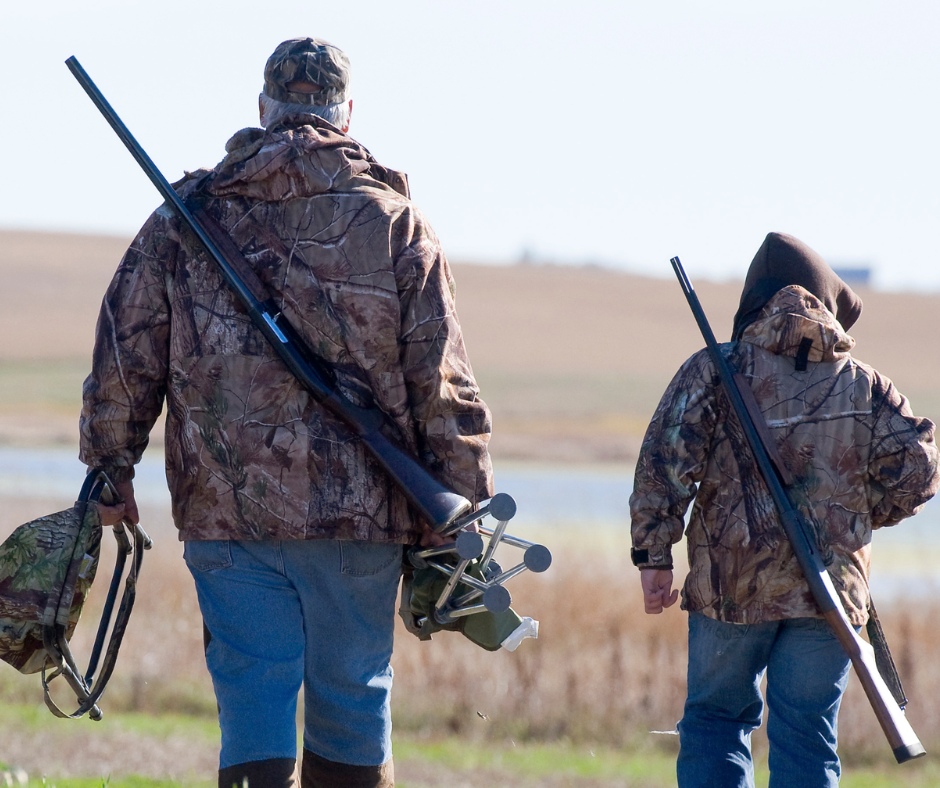
When you navigate, scout, and hunt by yourself, especially in public lands or remote terrain, you get a raw, unfiltered connection with nature. The unpredictability, challenge, and solitude add to the overall experience in a way that guided hunts may not. Many hunters say that a DIY backcountry hunt fosters a deeper appreciation for the wilderness.
Trade-offs & Challenges — What You Need to Weigh
Both guided and DIY hunts come with drawbacks. A smart decision depends on balancing these trade-offs vs what you value in a hunting trip.
Guided Hunts — What You Might Sacrifice
- Cost: Guided hunts tend to be expensive because you pay for expertise, logistics, lodging or camp support, and convenience.
- Less Control / Independence: You often rely on the guide's decisions, which dictate the setup and when to hunt. If you value autonomy and control, this can feel limiting.
- Limited Time: Many guided hunts are short (a few days), which means less flexibility in adapting plans if weather or wildlife behavior changes.
DIY Hunts — Harder Work, Steeper Learning Curve
- Time & Effort: DIY hunts require much more preparation: scouting, researching terrain, planning routes, carrying gear, packing out game. It demands time and physical stamina.
- Lower Initial Success Rate (for Beginners): Without local knowledge or experience, your first few attempts may result in unsuccessful hunts, which can be discouraging.
- Risk & Uncertainty: Navigating unfamiliar terrain, unpredictable wildlife behavior, and weather all add risks. For less-experienced hunters, safety and legal complications (private land, trespassing) could be a concern.
When Guided Trips Are Best | And When DIY Is Worth It
Let’s take a look:
Go Guided When
- You're a first-time hunter, or you're new to a specific region or species. A guide's local knowledge, gear, and experience will significantly reduce the risk and learning curve.
- You have limited time, maybe only a week or two off; you don't have the time to scout, plan, or carry heavy loads.
- You want a comfortable, streamlined experience (camp, transport, meals), ideal for people who want the adventure without excessive physical or logistical burden.
- You aim for higher chances of success (game, trophy, meat), especially valuable if you care about results over the process.
Consider DIY / Self-Guided When
- You enjoy challenge, independence, and learning, wanting to build your own hunting skills, scout terrain, and make all decisions.
- You have time on your side: time to research, scout, hike, and plan gradually, a great fit for dedicated or passionate hunters.
- You want budget-friendly, repeatable hunts, owning your gear and not paying guide fees every time.
- You value wilderness immersion and personal reward, the kind of satisfaction that comes from “earning your own success.”
Conclusion: The “Better” Experience Is What You Make It
In the debate of guided vs self-guided hunting trips, neither is absolutely “better.” Each offers distinct benefits — and the better experience depends on your personal goals:
- If you want convenience, higher odds, less hassle, and a guided expert-led hunt, go for guided trips.
- If you seek independence, challenge, personal growth, and long-term learning, a DIY backcountry hunt may reward you more.
For many hunters, a combination works best: use guided hunts to learn and succeed early, then transition to DIY as you build experience. Whichever path you choose, make sure your hunt aligns with your priorities, and enjoy every moment in the wild.
Ready to Plan the Hunt That Fits Your Style?
If you need help choosing between guided hunting trips or a DIY backcountry hunt, Jackson Hole Outfitters is here to guide you. From Jackson Hole, Wyoming, hunting options to self-guided strategies, we help hunters pick the right path and prepare for success. Start planning your next adventure with confidence.